
ES ES-OVNI RSC-1831
·
Item
·
2002
Part of Non-Identified Video Observatory (OVNI)
Mexico
112 Archival description results for Mexico
112 results directly related
Exclude narrower terms

ES ES-OVNI CTX-S011-SS006-0050
·
Item
·
2003
Part of Non-Identified Video Observatory (OVNI)
This video is part of the women's efforts to make their work known and look for ways and means to sell their products. It shows how the women organize themselves as a collective, how they work as weavers and in other collective tasks such as growing vegetables, baking bread and looking after backyard animals in order to strengthen the autonomy of their peoples.
ES ES-OVNI RSC-1699
·
Item
·
2004
Part of Non-Identified Video Observatory (OVNI)
ES ES-OVNI CTX-S007-SS003-0019
·
Item
·
1999
Part of Non-Identified Video Observatory (OVNI)
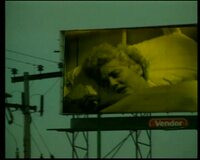
"This is a video of musical terror where I superficially — this is the beginning of a larger project —l look at one of the Mexican phenomena that horrifies me the most: internalized racism, being ashamed of one's own roots. The fantasy of waking up white". 6th Independent Vídeo & Interactive Phenomena Show
ES ES-OVNI RSC-2951
·
Item
·
2008
Part of Non-Identified Video Observatory (OVNI)
We, Who Speak the Complete Language. Two young Triki students attending the Bilingual Teachers' College of the Mexican state of Oaxaca (Escuela Normal Bilingüe e Intercultural de Oaxaca) saw Al Gore's documentary film An Inconvenient Truth about the threat of global warming. Seeking to share this environmental message with their community as well as promote the use of the Nanj Nï´ïn language (also known as Triki) in new spaces, the students decided to make a voice-over of the film into their language. In order to translate the script, the students carried out a series of workshops and consultations within the community in order to recover words that were no longer in use and to generate new words that they now propose to the Triki community of Yuma´ Niko (San Andrés Chicahuaxtla) and neighboring towns.

ES ES-OVNI CTX-S011-SS004-0008
·
Item
·
2006
Part of Non-Identified Video Observatory (OVNI)
Journeys and dreams in the mountains of Mexico's south east, the jungle and the city... Rituals, emotions and words for everyone!
ES ES-OVNI CTX-S011-SS002-0013
·
Item
·
2005
Part of Non-Identified Video Observatory (OVNI)
On Translation: Fear/Miedo is a televised intervention based on a video production that weaves together interviews with people who experience the tensions of the border zone on a daily basis, archival televised footage that makes reference to the idea of fear on the border between Mexico and the United States, and other documentary and journalistic material. The video aims to reveal how fear is a translated emotion, revealing itself in differing ways on both sides of the border as a cultural/sociological construction based on politics and economics. On Translation: Fear/Miedo was broadcast between August and November 2005 in four distinct locations that connect the centres of power/decision-making with the places where these policies are evident everyday: Tijuana, San Diego, Mexico City and Washington, DC.
Untitled
ES ES-OVNI CTX-S011-SS006-0051
·
Item
·
2002
Part of Non-Identified Video Observatory (OVNI)
The Zapatista caravan in March 2003 visited eleven cities in Mexico, where the EZLN and other indigenous groups presented the San Andrés Accords. In spite of the success of the march, it did not achieve the recognition of indigenous rights and culture in the Mexican constitution. The video shows what happened in the autonomous communities of Chiapas after the march, and the specific responses of those in power: intensified paramilitary violence, a stronger Army presence and threats of eviction that weigh on the indigenous lands in an attempt to take over their natural resources. For the indigenous Zapatista communities in rebellion since 1994, the struggle for a dignified life is, more than ever, a daily act of resistance.
ES ES-OVNI CTX-S009-SS005-0003
·
Item
·
2003
Part of Non-Identified Video Observatory (OVNI)
Pare de Sufrir, cease suffering, is the name of a church very near to the house where I lived in Guadalajara (Mexico). This video is about madness, faith, consumer culture, advertising, design, identity... The images are photographs that I took during long walks through the city, and they focus on Mexican advertising and graphic design, which shows a great sense of humor. I'm fascinated by the functionality of the graphic design there, which doesn't focus so much on creating an image or on competition - something which I greatly appreciated, specially after living in a city like Barcelona. The audio is based on interviews with psychiatric patients in Central America, which I found in a publications and asked 5 girls that I met in the city to read out. For me there is no difference between text and image, both of them surround us every day, and I don't think an image is worth more than a thousand words. I don't consider it my task to create, but to recreate myself within the things I experience, to make them my own. Every image and every text has its place in the story of each video, and the fact that the images do not correspond to the audio, and that they are mixed with written text, creates free associations and adds new subjective meanings to the stories.
ES OVNI RSC-1419
·
Item
·
2004
Part of Non-Identified Video Observatory (OVNI)