22 de Febrero de 2011
23 de Febrero de 2011
24 de Febrero de 2011
25 de Febrero de 2011
26 de Febrero de 2011
27 de Febrero de 2011
/ CONTEXTO 1994 - 2020
“Estás ciego, todo cuanto ves es pura imagen.”(1)
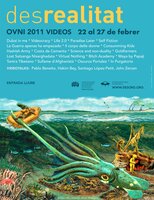
OVNI des_Realidad quiere reflexionar sobre los diferentes fenómenos de crítica de la realidad, sus repercusiones y los horizontes que iluminan o recuerdan.
Experiencias y tradiciones muy heterogéneas cuestionan radicalmente no sólo el concepto de realidad, sino la experiencia misma de lo real.
Algunos de los cuestionamientos más radicales de la realidad proceden de la cultura de la imagen, “allí donde el mundo real se transforma en meras imágenes, las meras imágenes se convierten en seres reales.(2) Y de los dispositivos de simulación, en el momento en el que la copia deja de ser un pálido reflejo de la imagen original y pasa a erosionarla en su totalidad; el original entonces no es más que una copia entre otras y no siempre la más verosímil. La condensación extrema de estos fenómenos nace a partir de la tecnología digital: videojuegos, simulación, imagen virtual, realidad expandida, aplicada a campos tan diversos como el ocio, el entrenamiento militar, la comunicación, los procesos industriales, las relaciones personales, la administración del placer… deviniendo el hábitat psíquico y emotivo de gran parte de la población. Un todo ficcional.
Sin embargo, esta realidad virtual genera a su vez una realidad cosificada, completamente física, como la que ahora podemos ver a gran escala en ciudades como Dubai y en tantos otros lugares de nuestra cotidianeidad. Realidades emanadas directamente de los entornos virtuales, que se condensan también en relaciones sociales, laborales y en los espacios y no-lugares que estos generan. La metafísica virtual parece retornar así a la física y realimentarse de ella. La evanescente e inaprensible realidad posmoderna se condensa de nuevo en pesadas estructuras reales de poder y explotación, pero suspendidas esta vez de la nube digital, y por lo mismo más volátiles en su existencia y más difíciles de afrontar. En China, por ejemplo, hay cientos de miles de talleres clandestinos en los que sus trabajadores juegan doce horas al día a juegos on-line para conseguir bienes virtuales que luego se exportan al resto del mundo y divisas virtuales que cotizan en divisas reales. Aparece un todo ficcional en el que las realidades se confunden, como si se tratase de capas de sueños. Un sueño cada vez más profundo.
“El sueño de la época no es el buen sueño que procura el descanso, sino más bien un sueño angustiado que os deja más exhaustos todavía. Es la anestesia que requiere una anestesia aún más profunda. Aquellos que por suerte o por desgracia se sustraen al sueño prescrito, nacen a este mundo como niños perdidos.”(3)
Un sueño que convierte en imagen todo lo que toca. Un sueño creado a partir de la imagen como velo, como instrumento social de ceguera. Efectivamente, un velo de imágenes producidas en masa se extiende cubriendo la totalidad de la visión, como una película máster, un mundo pantalla cuya realidad elástica y cambiante se adhiere a la piel de los objetos, de las personas y de los paisajes. No como un patchwork de imágenes artesanales, visiones personales, sueños, imaginaciones o ruinas de antiguos imaginarios... salpicada de agujeros e imprecisiones que invitan a la visión, a la imaginación. Sino un todo visible que se alimenta de las realidades que oculta.
Así encontramos un cuestionamiento de la realidad de carácter directamente político: constatación de la expansión de una realidad dominante que amenaza el tejido de realidades otras, que amenaza con borrar saberes, paisajes, personas, modos de vida, afectos… Como si mil bibliotecas de Alejandría, inscritas aún en la vida cotidiana de las personas, en sus haceres, en sus lugares, estuviesen ya quemando de nuevo. Como si en un plazo de tiempo, tal vez muy corto, sólo nos quedara, con suerte, leer sus tristes cenizas catalogadas por expertos.
Esta expansión de una realidad dominante no ha conocido una intensidad y una extensión similar a la del capitalismo global, ni en consecuencia una resistencia ni un rechazo similares. De hecho, esta realidad dominante es ya la realidad, una realidad que tiene la consistencia de una “medusa varada”, una gelatina que cubre toda superficie, que impregna toda grieta. Ante ella, “Sólo el rechazo total de la realidad nos la muestra en su realidad, nos la muestra en su verdad”.(4) Una realidad que nos desrealiza: una desrealidad.
Este rechazo del mundo como realidad coincide, a otro nivel, con visiones que provienen de la poética y la metafísica: el advaita vedanta (el no-dualismo hindú) o la mística sufí en el islam, entre otras. “El uno es la Realidad; la multiplicidad no es más que nombres y formas.”(5) Al identificarnos con estos nombres y formas, al darles realidad, nos alejamos de nuestra verdadera naturaleza, salimos en persecución de fantasmas. Desde esta perspectiva, la llamada realidad no se sostiene si no es por una especie de autosugestión que emana del espeso entramado de deseos y miedos, falsas identificaciones, acciones y reacciones, en una experiencia no lejana al sueño.
Una consideración sobre el sueño y la vigilia nos muestra lo siguiente. En la vigilia el mundo existe iluminado claramente por la luz solar, las cosas parecen estar “ahí afuera” y la consciencia sólo tiene que iniciar el movimiento de apropiación bajo el impulso del deseo. De la vigilia aprendemos la existencia de una realidad. Pero esa realidad es la de lo otro: objetos, seres, etc., y nuestra realidad se define en relación con esta alteridad. En el sueño, sin embargo, la luz que ilumina el mundo y nos lo muestra es la luz de la mente, a solas con nosotros. No podemos hablar de una realidad exterior, es nuestra consciencia la que proyecta el mundo de objetos y seres, es el soñador el que lo crea; un mundo que desparece al despertarnos. El sueño nos libera del tiempo y nos enseña a dudar de la realidad exterior de la vigilia: tal vez despertamos de un sueño para entrar en otro. Quizás la diferencia entre sueño y vigilia sea sólo una diferencia de duración. Finalmente, en el sueño profundo tanto el mundo interior como el exterior desaparecen sin más consecuencias para la consciencia, uno está allí sin sueños, sin deseos, sin mundo.
Despertar, en este contexto, significa que el soñador deje de dar realidad a la des_realidad imaginada de entidades separadas; de formas y nombres que aparecen para luego desaparecer. Significa recordar la esencial unidad de todas las cosas, reconocerse en la consciencia que es Una, pero cuya experiencia íntima es única en cada ser, y a la que damos diferentes nombres: Ser, Vida, Realidad...
“Cualquier injusticia que cometáis será en contra de vosotros mismos.” (6)
(1) Mahmud Shabistari, El jardín de los secretos. Persia, siglo XIII.
(2) Guy Debord, La sociedad del espectáculo
(3) Llamamiento y otros fogonazos (Tiqqun)
(4) Santiago López Petit, La movilización global.
(5) Ramana Maharshi, Sé lo que eres
Programación temática.
Hall y Auditorio. Proyecciones simultáneas.
Centre de Cultura Contemporània de Barcelona