Programaciones temáticas
El Barri Xinès (work in progress) and other City films
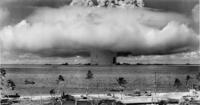
Mass media arqueología: una selección de los Archivos Prelinger
Calling all Active Agents
Low Tech : Strange Weather
El guardian del sueño
Each and Every One of You
Jennifer Reeder - Sadie Benning
/ CONTEXTO 1994 - 2020
Programaciones temáticas
OVNI, el Observatorio de Vídeo No Identificado, formado entonces por Nuria Canal, Joan Leandre y Toni Serra, comisarió desde 1996 hasta 1998, dieciséis sesiones de vídeo mensuales y temáticas en el Museo de Arte Contemporáneo de Barcelona, MACBA. Los programas de vídeo OVNI en el MACBA, fueron los primeros de este tipo en el museo y como parte esencial de esta iniciativa, el Observatorio organizó y propuso también la adquisición de una selección de títulos de vídeos para iniciar la primera videoteca del museo.
Las sesiones OVNI en MACBA se centraron mayoritaria, pero no exclusivamente, en el ámbito de la identidad mediática y la crítica de los medios de comunicación y fueron una destilación de los programas que OVNI organizaba periódicamente en la institución vecina, el Centro de Cultura contemporánea de Barcelona CCCB. Las sesiones introdujeron gracias al trabajo de los autores, los conceptos clave que describían tanto los tiempos analógicos de los media como la enorme ola de choque de la era digital todavía entonces por llegar.
Los programas de estas sesiones trataban a menudo sobre la noción de arqueología mediática que era y es todavía uno de los pilares conceptuales del Observatorio de Vídeo No Identificado. Es decir, el análisis de materiales de archivo "efímeros", como películas educativas o de propaganda, para poder obtener contraste y comprensión del presente. La arqueología de los medios de comunicación, la permutación, la interpretación y las diversas estrategias de transgresión de los medios de comunicación mediante el uso deconstructivo de procedimientos y materiales apropiados fueron uno de los principales argumentos estructurales de OVNI desde su fundación. El Observatorio de Video No Identificado quería, especialmente en la década de los 90, promover el enorme potencial comunicativo del vídeo a través de su espectro heterodoxo de posibilidades. Así, en estas sesiones hubo un amplio abanico de autores y perspectivas relacionadas con el uso generoso y abierto del medio. Trabajos como los diarios de vídeo de George Kuchar y los proyectos en serie y modulares de Steve Reinke, "video blogging analógico" que anticipaba ya los usos y entendimientos futuros del medio videográfico. Iniciativas visionarias como los Prelingers Archives fundados por Rick Prelinger en Nueva York y dedicados completamente a la recuperación y preservación de materiales audiovisuales efímeros de otro modo destinados a la desaparición. En estas sesiones se incluyeron proyectos de "hacking mediático" como Spin, en que el autor Brian Springer accedió a canales de televisión satélite para obtener materiales de uso interno o los primeros ejemplos de "Culture jamming" y simulación de Donald Good y Anne Marie Léger. En la tradición del vídeo scratch basado en el uso de "found footage", algunos autores como Dara Birnbaum, Klaus von Bruch, Nam June Paik, Mathias Muller, Craig Baldwin, Rafael Montáñez Ortiz, Herbert Distel, Peter Guyer entre otros mantenian principalmente una actitud "digestiva" hacia los medios de comunicación de masas, el reciclaje o la deconstrucción, la voluntad de redirigir estrategias y significados del flujo mediático. En este contexto, el precursor y esencial trabajo de Bruce Conner se mostró por primera vez en Barcelona en el último programa de las sesiones MACBA.
El equilibrio de estas sesiones de vídeo se encontraba por un lado en las autoras que tenían como principal preocupación utilizar los medios de comunicación y el vídeo como herramienta contemporánea de conocimiento y posicionamiento humano, por ejemplo, la relación amor-odio "identidad vs medio" en que trabajan Peggy Ahwesh, Sadie Benning y Jennifer Reeder, todas ellas a menudo oscilando entre la identidad de género y la inercia de los medios de comunicación de masas, entre la cámara como artefacto y el ser humano que se encuentra delante y detrás de esta. Por otro lado, había un balance en lo que parecen ser las antípodas de este enfoque conceptual relacionado con los medios de masas, a través de nombres clásicos como Bill Viola y Gary Hill, también autores ya conocidos en Europa como Francisco Ruiz Infante o Adam Cohen y un programa doble especial dedicado al escritor William Burroughs.
Las sesiones MACBA fueron un paso esencial para la madurez y consolidación del Observatorio de Vídeo No Identificado, fue un esfuerzo para en esencia, encontrar y desarrollar la continuidad futura del proyecto. Las sesiones MACBA se desarrollaron con la ayuda de Gloria Picazzo y Anna Guarro, ambas formando parte del equipo del museo. Algunos contenidos de las sesiones habrían sido imposibles sin la inspiración que OVNI encontró en el trabajo de Eugeni Bonet, Andy Davies y Rick Prelinger.