zonas del ser y del no ser

Elements area

Taxonomy

Code

Scope note(s)

    Source note(s)

      Display note(s)

        Hierarchical terms

        zonas del ser y del no ser

          Equivalent terms

          zonas del ser y del no ser

            Associated terms

            zonas del ser y del no ser

              11 Archival description results for zonas del ser y del no ser

              11 results directly related Exclude narrower terms
              Toni Serra *) Abu Ali
              ES ES-OVNI TS · Subfonds
              Part of Non-Identified Video Observatory (OVNI)

              Archivo de Proyectos 1994-2026

                      Búsqueda

              CatalàEnglishEspañol

              CA EN ES 

              Toni Serra *) Abu Ali


              / ... /

              / CONVERSACIONES /

              / VIDEO ENSAYO 2001-2016 /


              / ... /

              / THE BLACK TAPES / TV CODE /

              / BABYLON ARCHIVES /


              / ... /

              / 1989-1994 /

              / ARCHIVOS DE TANGER /

              / EL HAMDULILLAH TAPES * PIRATE UTOPIAS & EUROPEAN RENEGADOES /

              / FEZ CIUDAD INTERIOR /

              / LA VIGILIA Y EL SUEÑO /


              / DUAR MSUAR /

              / LA LLUVIA EN DUAR MSUAR /


              / ... /

              SOBRE PAJAROS Y VISIONES


              Imagenes Previstas

              Abrir la visión

              No solo un cambio.

              Migra Visions 2.0

              Migra Visions

              La Gente Invisible

              Entre el Agora y la Frontera

              Soviet Derviche

              Broken Films

              Fez, Ciudad Interior


              www.al-barzaj.net

              Toni Serra *) Abu Ali
              / TONI SERRA *) ABU ALI

              Los hatillos de trigo esconden los pinchos del azufa

              Toni Serra *) Abu Ali
              ES ES-OVNI TS-S002 · Series · 2019
              Part of Non-Identified Video Observatory (OVNI)

              Toni Serra *) Abu Ali

              / VIDEO ESSAY 2001-2016 /

              / THE BLACK TAPES / TV CODE /

              / EL HAMDULILLAH TAPES * PIRATE UTOPIAS & EUROPEAN RENEGADOES /

              / THE RAIN IN DUAR MSUAR /

              Entre el Agora y la Frontera

              Toni Serra *) Abu Ali

              / TONI SERRA *) ABU ALI

              The sheaves of wheat hide the thorns of the jujube... drops of blood are sown in the dust

              the woman's belly enters full moon... announcing a still-distant October

              the harvest is a time of Remembrance, of gratitude.

              ES ES-OVNI CTX-S018 · Series · 2016
              Part of Non-Identified Video Observatory (OVNI)

              [ migra and coloniality ] / OVNI 2016

              The Center as the Border. Zones of Being and not Being

              / CONTEXT 1994 - 2020

              [ migra and coloniality ] / OVNI 2016

              PROGRAMA CASTELLANO PDF

              Videos Talks Debates.

              The border has a tendency to spread: it explodes into outsourcing to third countries, and implodes as domestic borders, control devices, detentions and disappearances...; in other words, it tends to occupy the entire system, becoming centre. In the shadows of the border-as-system, where control is out of control, the prototype of a totalitarian society is assembled.

              Around the subject of migration there are a series of crucial lapses or ‘forgettings’, which not only hinder in-depth reflection but also fuel exclusionary visions There first of these is the colonial lapse – we have forgotten the close ties between migration and coloniality, and its global mutation. The second lapse springs from limiting our reflections on migration to the spheres of politics, policing, economics, demographics and humanitarian action... but rarely considering it in terms of knowledge and wisdom, of which we are truly in need. A third lapse consists of labelling people “immigrants”, creating the corresponding imaginary and confining them within it... failing to remember that all of us in fact migrate between different territories, spaces, times, and forms of knowledge.

              Centre de Cultura Contemporània de Barcelona

              Montalegre 5. 08001 Barcelona

              ES ES-OVNI CTX-S018-SS002-0001 · Item · 2016
              Part of Non-Identified Video Observatory (OVNI)

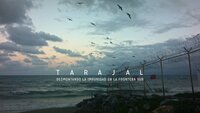
              Tarajal: Dismantling Impunity on the Southern Border is a documentary research project by the production company Metromuster, which previously produced the influential activist documentary Ciutat Morta. It has been commissioned by Observatori DESC, which is collaborating in the research process. Tarajal is based on statements from migration experts, journalists, lawyers, police spokespersons, and activists, as well as official declarations from the Interior Ministry, edited together to reveal the many contradictions in the accounts of the events leading to the death of 15 migrants at Tarajal. Above all, it suggests that the events may not have simply been a matter of police negligence, but part of a strategy designed for the application of migration control policies.

              Room Without a View
              ES ES-OVNI RSC-4305 · Item · 2020
              Part of Non-Identified Video Observatory (OVNI)

              The film chronicles the dire reality of foreign domestic workers in Lebanon. By combining a multitude of perspectives, it offers intimate insights into the private lives of employers, agents and maids. Exposing modern forms of slavery, it also reflects on the role of women and domestic work at large in capitalist societies.

              Untitled
              Right to Move
              ES ES-OVNI DIF-S003 · Series · 2016
              Part of Non-Identified Video Observatory (OVNI)

              De fronteres internes i externes a col·laboracions, línies de fuga i perspectives

              Programa de vídeo d 'OVNI - Observatori de Vídeo No Identificat

              La Frontera en la seva asimetria esdevé línia abismal, línia de tall entre les zones del ser i del no ser. Segons de quin costat i segons amb quins documents ens apropem a ella, serem desplaçats a una zona o a una altra i rebrem el reconeixement del nostre ésser o la seva completa absència.

              El programa que aquí es proposa a manera de viatge, comença per recordar un primer i decisiu oblit: l'oblit colonial. La pràctica totalitat del discurs mediàtic i institucional obvia el passat colonial d'aquells que van establir les fronteres i que ara marquen les condicions per creuar-les. I imposa l'oblit de l'ocupació de territoris, l'explotació de recursos naturals i humans i els seus corresponents genocidis i epistemicidis. Els antics colons mai van ser migrants i solament van trobar aborígens i indígenes a les terres que “descobrien” per als seus interessos. Anys després les persones que ara arriben d'aquestes antigues colònies no troben aborígens europeus, sinó que són ells els migrants. Sempre etiquetes adhesives que bàsicament apunten a ocultar i reduir la seva humanitat per desplaçar-los així a la zona del no ser. Concerning Violence està recorregut per aquest espectre colonial, els textos de Frantz Fanon reflexionen sobre el seu nucli violent, creuen aquesta desolació i tenen encara la força de proposar-nos una possibilitat de vida.

              Cap a la frontera, a les profunditats del desert del Sahel es tanquen micro-acords, es defineixen línies de fuga, es tracen zones, es creuen els primers límits. Sahara Chronicles ens mostra aquest inici de viatge per a uns, caravanserrall per altres. Travessar el no-res sota el control dels drons, vivint la progressiva densitat d'una frontera després d'una altra, cada vegada més espessa, més agressiva i excloent.

              Aquesta gradació de les fronteres, des de les més llunyanes i permeables fins a les que ara actuen com subcontracta violenta de la frontera principal, desemboca abruptament en la línia abismal, la línia de tall entre les zones del ser i del no ser. Allí les persones deixen de ser, les històries i els recorreguts perden tot sentit. Una vida no és una vida. Tarajal: Desmuntant la impunitat a la frontera sud , mostra aquesta brutalitat de la frontera i deconstrueix els dispositius i relats institucionals que pugnen per donar-li cobertura funcional i finalment legal.

              Però com recentment ens recordava Boaventura de Sousa, la línia del ser i del no ser ja no és fixa, sinó plenament mòbil, cada vegada s'apropa més al centre i ha acabat per cridar a les nostres portes. La frontera ha fet implosió i tendeix a ocupar la totalitat del territori i definir el sistema que l'administra. En Forst , un grup de refugiats a un bosc, ja no a la perifèria del sistema, sinó al centre d'Europa, relaten el seu procés de desaparició en la línia del no ser: “Quan vaig arribar, els de seguretat estaven esperant-me, em van portar dins, van agafar la meva petita borsa, es van posar uns guants de plàstic i van inspeccionar les meves coses, la quantitat de diners que portava, els nombres de la meva agenda, tot. És intimidació, assetjament i maltractament al mateix temps, aquest és l'estil d'aquest sistema. Han passat tres dies i ja no sóc jo (…)”

              L'aparent i tranquil·la normalitat de la zona del ser oculta sota una capa de consum turístic el seu origen. Així el port de Barcelona que rep centenars de milers de consumidors arribats en creuers, té unes arrels que no mostra i que Port Trade Portrait ens recorda: el seu passat esclavista, i la seva mutació a l'era global.

              Dilluns 23 de maig _ L'Oblit Colonial

              Concerning Violence , Göran Hugo Olsson, Suècia, 2014, 85min. V.O.S.E.

              Concerning Violence és un documental compost per imatges d'arxiu dels moments més arriscats en la lluita per l'alliberament del Tercer Món i, alhora, una anàlisi dels mecanismes de descolonització a través de fragments de Els condemnats de la terra de Frantz Fanon. L'emblemàtic llibre de Fanon, escrit fa més de 50 anys, és encara un referent per entendre el neocolonialisme existent avui dia, i la violència i les reaccions que suscita.

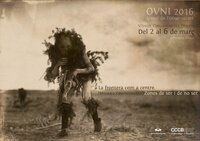
              La frontera com a centre , Toni Serra / Abu Ali

              "M'és complicat explicar com és possible que la societat suposadament civilitzada a la qual has fugit per protegir-te sigui tan brutal" (1)

              Les fronteres com a nusos i talls del poder, com a llocs d'acumulació repressiva, control i selecció, estan patint una enorme mutació, ja que no només s'estenen i fortifiquen, sinó que també fan implosió en centenars i milers de dispositius interns: CIEs, o Centres d'Internament d'Estrangers, centres de refugiats, oficines i agències de tota mena que ara es reprodueixen i funcionen com a fronteres interiors. Dispositius de control que es desplacen com escàners que escombren l'interior dels territoris i ciutats, contagiant la seva lògica repressiva al conjunt de la societat. Es converteixen així no només en llocs d'internament de migrants, sinó molt fonamentalment en laboratori i punta de llança de nous règims totalitaris.

              En aquesta època d'estímul a la màxima mobilitat, els turistes, els homes i dones de negoci poden travessar les fronteres i se senten per això privilegiats, no obstant això han d'afrontar els filtres i rituals de control que les configuren, i en fer-ho validen automàticament aquests dispositius, la seva lògica i el seu exercici. Creuen, és cert, però arriben a alguna part o més aviat desplacen amb ells aquestes fronteres, portant-les fins a l'interior de les societats que visiten?

              El tema de la migració es va desvetllant com una de les claus que qüestionen en major profunditat la cultura i la societat contemporànies. Aquest qüestionament es fa a diferents nivells, no només el polític, social i econòmic, sinó també el cultural, simbòlic i imaginari. S'obren així les portes d'una transformació profunda: el que aquesta es doni i la direcció que agafi marcarà la deriva del conjunt de la nostra cultura.

              Dimarts 24 de maig_ Cap a la Frontera

              Sahara Chronicl e , Ursula Biemann, Suïssa, 2007, 50 min., V.O.S.E.

              Una col·lecció de vídeos curts que explora en el post-colonialisme i documenta l'actual èxode subsaharià cap a Europa, on s'analitza la política de mobilitat i contenció que existeix en la geopolítica global actual. S'examinen les modalitats i la logística del sistema de migració al Sahara.

              El material d'aquesta obra ha estat recollit durant tres visites sobre el terreny a les portes principals de la xarxa migratòria trans-Sahariana al Marroc, Níger i Mauritània. Sahara Chronicle reflecteix aquesta xarxa migratòria dins de la interconnexió i la geografia àmplia de la zona. Inclou documents sobre Agadez a Níger, capital dels Tuareg i porta de la zona sahariana per a les rutes de migració principals que arriben de l'Àfrica occidental; Nouadhibou, port del nord de Mauritània, des d'on els migrants es van amb vaixell cap a les illes Canàries; Oujda al costat de la frontera algeriana, per on els migrants del desert entren al Marroc; i Laayoune, al Sahara occidental, punt de sortida per als vaixells que van a Espanya.

              Sahara Chronicle no intenta construir una narrativa homogènia o contemporània d'un fenomen que té arrels a l'Àfrica colonial, diversa i fràgil en la seva actual organització social i experiència humana. En aquest treball, no es fa servir una veu autoritària o un altre dispositiu narratiu per fer la connexió, més aviat és l'espectador qui produeix el significat, que ha d'extreure dels intersticis entre els vídeos. En dispersar el punt de vista, es reconeix al mateix temps el procés múltiple i cooperatiu del coneixement produït en el camí.

              Dimecres 25 de maig_ La Frontera com a Zona de no ser

              Tarajal: Desmuntant la impunitat a la frontera sud , Xavier Artigas i Xapo Ortega, Metromuster i Observatori DE

              Neither Here nor There
              ES ES-OVNI CTX-S018-SS002-0004 · Item · 2015
              Part of Non-Identified Video Observatory (OVNI)

              In a bid to reach a better life, hundreds of Moroccan kids sneak into Melilla, a Spanish enclave in the north of Morocco. This is the story of Said, a deaf Moroccan boy stuck in this Spanish portion of Africa, awed by a false sense of prosperity, tries to jump into one of the many boats that will take him to the peninsula and eventually to the fulfillment of his European dream.

              Untitled
              Migrant Knowledge
              ES ES-OVNI DIF-S010 · Series · 2021
              Part of Non-Identified Video Observatory (OVNI)

              From 4th to 6th November

              Decolonizing Vision  - Migrant Knowledge

              To decolonize vision would be to return it, to integrate it into the body and the other senses, to integrate it into place, its forces and emptiness... to rescue it from the tyranny of the merely optical and open it up to the “other eyes” of the body and the mind, to make it whole. Also, to open up dialogue with the power of vision that the dominant culture in the West excluded or dissected until it was extinguished.

              Toni Serra *) Abu Ali

              The selection of videos presented in the Migrant Knowledge project puts forward alternative constructions of thought, analysis, and reflection concerning migrations. It does so through a plurality of views, experiences, memories, and stories that converge in a three-day program live at the Centre Civic Can Felipa, and a two-week online audio-visual menu, based on a selection of videos from the Archives OVNI – Observatory of Unidentified Video.

              In the face of an understanding of multiculturalism as a space that is predefined and negotiated by power, the institution, and violence, the “other” is partitioned and enclosed. Thus, it is increasingly urgent and necessary to come together and exchange knowledge and experiences so as to bring about a profound transformation of the notions that have shaped the globalized world. This entails a radical redefinition of the notions of time, work, culture, and of the persistence of a single model with totalitarian tendencies. To start a process of decolonization by deconstructing and transforming the notions and beliefs that have shaped our societies.

              Modern colonialism is not only a historical phenomenon, it is primarily an attitude towards life and the world. A way of looking that divides and dissects all things, a way of looking that creates and projects ”otherness”, and sees it as a space to be occupied: as territory, culture, even time, to be colonized. By its very nature it can neither understand nor put into practice an organic unity of things, or of life, let alone of economics. It perpetually needs the “other”, to the point of severing it from itself.

              The selected program of videos includes resistances from various origins and languages, which are deployed against the imposition of single, hegemonic thought. Stories that make it possible to think, to build other worlds and to discover existing ones that are often hidden by screens of ignorance and prejudice, and by stereotyped images of the “other.”

              The video selection is curated by Toni Cots. The program is organized by Jiser and the OVNI Archives, and is part of the process of reflection carried out by the Migrant Knowledge collective.

              Jiser, which means “bridge” in Arabic, is a non-profit association based in Barcelona, whose objective is to promote artistic creation and the use of art as a tool for social transformation in the Euro-Mediterranean space, by carrying out activities that promote the exchange and rapprochement between different artistic and cultural realities in the region.

              The OVNI Archives compile and document a three-decade history, from analog video to digital video in the time of ‘social’ networks. The materials contained in the Archives are the result of various thematic research projects, a whole constellation of titles with the common denominator of free expression and reflection on individual and collective fears and pleasures, coming together to build a multi-faceted vision, like thousands of small eyes that deepen and explore our world, or announce other possible ones. A research process in which the main values are heterogeneity, contradiction, and the subjectivity that the Archives spring from. In itself, they are an antidote for cloning and repetition in the era of hyper-connectivity.

              Migrant Knowledge is a group made up of activists, artists and researchers who bring their diverse experience and background to a process of critical and collective reflection on the symbolic and institutional violence that affects migrants and/or racialized people. It aims to create communal spaces that draw attention to and fight against the mechanisms that legitimize the exercise of this violence, and create narratives of resistance that support the right for people who migrate to have rights.

              This process is woven together by connecting artistic practice and reflection. It is open to a plurality of stories, and it is flexible in its path... It defends not only the exercise of critical consciousness, but also the carrying out of actions that transform situations of discrimination, racism, and inequality.

              Thursday, 4th November 18:30h - 21:00h

              VIOLENCE <> RESISTANCE

              London "I don't call it rioting, I call it an insurrection"

              BBC, 2011. UK, VO Eng 5Min.

              An interview with writer and local resident Darcus Howe on the events that took place in London in 2011. "Have some respect for an old West Indian 'negro' " "I don't call it rioting, I call it an insurrection...of the masses of the people!»

              Göran Hugo Olsson, 2014. Sweden, Denmark, Finland, USA, VO English,  85Min.

              An archive-driven documentary covering the most daring moments in the struggle for liberation in the Third World, as well as an exploration into the mechanisms of decolonization through text fragments from Frantz Fanon’s T he Wretched of the Earth .

              Friday, 5 November 18:30h - 21:00h

              Le problème algérien et l'economie française

              Jean Pierre Gambarotta, 2006. VO French. 5Min.

              A French government report explaining the reasons why it was impossible to accept Algeria’s independence.

              Pierre-Yves Vandeweed 2011.Belgium, Western Sahara. VO Arab, 74Min.

              Drawing from stories of flight, exile, interminable waiting and arrest, and persecuted lives on both sides of the wall that divides the Western Sahara, Territoire perdu bears witness to the Sahrawi people, their land and their entrapment in other people’s dreams. The film juxtaposes sonorous landscapes, black-and-white portraits and nomadic poetics.

              Session in collaboration with the Barcelona Independent Film Festival, l'Alternativa.

              Lettre à la Republique

              Mar. 4, 2016
              ES ES-OVNI CTX-S018-SS003 · Subseries · 2016
              Part of Non-Identified Video Observatory (OVNI)

              An informal, small-scale gathering to pick up the previous day's discussion, continue to explore some aspects and introduce new ones.

              Los Muros de Europa
              ES ES-OVNI CTX-S018-SS002-0005 · Item · 2015
              Part of Non-Identified Video Observatory (OVNI)

              Chronicles of the journey of refugees through Hungary, Croatia, and Serbia September 2015. Migration flows have been part of human experience throughout history. In 2014, almost 55 million people were forced to leave their homes in the face of war, persecution, and human rights violations: the highest figure since the end of World War II (1). According to the 2015 CEAR Report (2), 22,500 people have lost their lives in the Mediterranean during the migration process over the past fifteen years. These statistics are interpreted through biased and ethno-centric analyses that construct migrants as a potentially dangerous “other”. In The Walls of Europe we talk to different actors involved in the border zone between Serbia and Croatia, in the biggest human exodus that Europe has seen for decades. An exodus that reveals the dark side of the big NGOs and of the security and military forces of receiving countries, and the racism and xenophobia of Europe's governments.

              Untitled