
Armand Davis leads motor expedition in Africa, powered by Dodge cars.
United States of America
746 Archival description results for United States of America
Evocation of the cultural and social environment through images of family movies.
Untitled"I told my mother i was bisexual, she said :I knew i shouldn´t have smoked when i was pregnant".
Hakim Belabbes' Whispers follows a man's obsessive search for his lost childhood through the dark alleyways and desolate cemeteries of the director's Moroccan hometown, Boujad.
UntitledApparent contradiction, Guerrilla News Network accepts a surprising assignment: to create a radical video clip for white hip-hop superstar Enimen's White America. Apocalypse in the streets, the American Dream impregnated with the smell of decay.
On August 6th and 9th, 1945, two atomic bombs vaporized 210,000 people in Hiroshima and Nagasaki. Those who survived are called “hibakusha” -people exposed to the bomb- and there are an estimated 200,000 living today. Today, with the threat of nuclear weapons of mass destruction frighteningly real -the world's arsenal capable of repeating the destruction at Hiroshima 400,000 times over-, filmmaker Steven Okazaki revisits the bombings and shares the stories of the only people to have survived a nuclear attack.
UntitledFrom skinheads to border militias to the right wing of the Tea Party Movement, the Big Noise Film Team takes a disturbing look at the resurgence of white nationalism in America.
UntitledShe's back.
How can you document the elusive stuff myths are made of? That is what the furtive chalk graffiti on freight train wagons is, the fleeting consecration of their anonymous creators. The word “graffiti” stands for an art with schools and aspirations, very different from that other fleeting and legitimately popular art, which may bring to Argentinian minds the painted messages on the rocks of Mar del Plata. Bill Daniel pulls it off by getting onto those bare wagons with his camera, by traveling with those who load them and the tramps who use them.
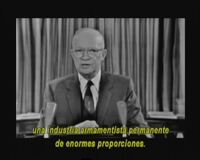
UntitledA documentary that examines America's policies regarding making war, most recently the Iraq war and what is termed “the Bush doctrine”, which includes pre-emptive strikes. The author suggests that this policy has been in the works for many years, reviewing past wars in the 20th century. A variety of individuals are asked “Why de we fight?” and, predictably, come up with a variety of answers. This is followed by a look at today's U.S. military/industrial complex via interviews with individuals involved in it.
Untitled