After WWII, Americans teenagers discovered leisure . They no longer had to work to support their families, and they had almost nothing to do. It seems like a cliche now, but bored teenagers were a completely new phenomenon, young minds eager to explore the limits of perception and pleasurable experience. A wave of corporate and government educational videos, responded to the situation by presenting a world of fears and hidden dangers. They were designing the personalities of the future, standardized citizens, with a new set of behaviors and new fears and taboos.
United States of America
746 Archival description results for United States of America
When Metro-Goldwyn-Mayer commissioned James A. FitzPatrick's globe-trotting series of short films called Traveltalks, little did they realize the lasting entertainment value these seemingly innocuous one-reelers would possess. Each masterfully crafted film offers precious, priceless glimpses of people and lands soon to be invaded by the homogenizing influences of modern technology and consumer culture.
UntitledCD-ROOM
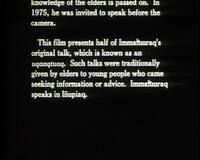
Immaluuraq ("Joe Sun" in English) grew up moving among seasonal camps in the Kobuk River region of Alaska and now resides in Shungnak. In this film, he describes the life of the earlier Kobuk settlements. He talks about women being isolated from the village when they are menstruating or when they are pregnant. He also talks about the predictions of the legendary Inupiaq prophet, Maniilaq, who was his great uncle. Maniilaq foretold of things to come that would change the world and the way people lived in it, all of which happened just the way he said it would. Immaluuraq's talk is known as uqaaqtuaq. Such talks were given by elders to young people who came seeking information and advice.
United Fruit's paternalistic vision of Central America and its banana business. From www.archive.org
The Christmas of a junkie, a particular Christmas story by William Burroughs, clay version. Francis F. Coppola Production.
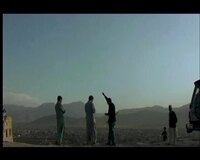
UntitledIn the broken cityscape of Kabul, Afghanistan, amid the dust and rubble of war, Westerners and Afghans adjust to the uncertain possibilities of peace. Kabul Transit shuttles through the broken streets of the city, moving between public space and private, listening in on conversations, posing questions, probing the darker alleys mainstream media avoids. The result is a shifting mosaic of encounters and raconteurs, captured glances and telling gestures, all beautifully shot and woven together by the music and the found sounds of a city sluggishly coming to life, a place that is at once hauntingly strange and altogether familiar.
Untitled2 Mostra de Vídeo Independent de Barcelona 1994.
In 1925 William Faulkner lived in New Orleans for a few months writing short sketches in which he called the city to life. Inspired by Faulkner's impressions, Dutch Filmmaker Marjoleine Boonstra drifts through the devastated streets of New Orleans, at any hour of the day, looking for the fears and dreams of people whose lives have gone adrift as a result of hurricane Katrina.
Untitled