/ CONTEXTO 1994 - 2020
Esta programación a modo de ensayo quiere reflexionar sobre algunos de las realidades más preocupantes de nuestro tiempo, en concreto la experiencia del conflicto con el poder y la inminencia de un enfrentamiento aún mayor. Un conflicto que sobrepasa el ámbito de lo político para afectar a la noción misma de civilización y cuyo origen parece emanar de la propia interioridad del ser humano.
Es así como planteamos, a través de una serie de proyecciones, una mirada más allá de la inmediatez de los recientes acontecimientos, de la lógica de acción-reacción, o de la persistente noción del otro como negativo. Para intentar ganar una distancia que permita la reflexión.
Esta mirada la proponemos a través de un doble núcleo de la programación: La Commune de Peter Watkins, y El Mahabharata de Peter Brook. Contextualizados con una serie de documentales y documentos que reflejan la contemporaneidad de esta situación.
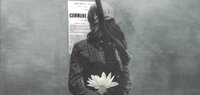
La Commune , propone una mirada al conflicto contemporáneo, más allá del olvido político. Una reflexión desde la distancia histórica sobre un acontecimiento clave como fue la existencia y extinción de La Comuna de París 1871, y a la vez un radical cuestionamiento de la realidad social de nuestros días y de su representación mediática, ya que la obra está interpretada por personas que exponen su situación actual en el París del 1999.Proyectamos esta película en 3 fragmentos, cada uno de ellos irá seguido de un debate conducido por los integrantes del colectivo Rebond La Commune ; nacido a partir de la experiencia de realizar este film.
El Mahabharata de Peter Brook, propone sobre el conflicto no ya una mirada histórica, sino fuera de la historia, fuera del tiempo lineal, para entrar en el tiempo mítico del constante retorno, de la tensión dialéctica entre el olvido y el recuerdo de la verdadera naturaleza humana. Un conflicto que el Mahabharata presenta en diferentes niveles, relacionados con: lo político (poder), la civilización, la supervivencia de la vida sobre la Tierra, y simultáneamente como expresión de la batalla interior que se libra en el seno de cada ser humano.
La proyección de esta obra en 3 partes, irá precedida por los fragmentos de una conversación con Jean-Claude Carrière, guionista y adaptador teatral del Mahabharata de Brook, que grabamos en París, a fin de tratar las claves de esta obra en relación a las nociones de conflicto y olvido.
Esta historia trata de ti
La programación se inicia siguiendo el curso del Mahabharata, un inmenso poema, que fluye como un gran río, con una riqueza inagotable que desafía todo análisis estructural, temático, histórico o psicológico. Sus puertas se abren constantemente a otras puertas que conducen a otras. No es posible encerrarlo. Las capas de sub-textos, a veces contradictorias, siguen a otras y se entretejen sin perder el tema central. El tema es una amenaza: vivimos en un tiempo de destrucción - todo apunta en la misma dirección. ¿Puede evitarse esta destrucción?. (1)
Ante esta situación el Mahabharata nos propone, ya en su primeras lineas, un viaje interior, un viaje de conocimiento, de transformación.
- Trata de ti. Es la historia de tu raza, de cómo nacieron y crecieron tus antepasados, y de cómo estalló una gran guerra. Es la història poètica de la humanidad, y si la escuchas con atención al final serás una persona diferente. (2)
Progresivamente el relato nos adentra en el enfrentamiento entre dos grupos: los Pandava y los Kaurava. Un enfrentamiento que toma la forma de un conflicto por el poder, pero que nace de una concepción casi opuesta de la vida. Con todos los matices y ambivalencias, observamos como los Pandava actúan teniendo como referencia la búsqueda y el cumplimiento del dharma , mientras que los Kaurava parecen guiarse únicamente por el deseo y el miedo: deseo de poseer el poder, miedo de perderlo, para ello no reparan en utilizar todos los medios, sin admitir límite alguno, mientras cuentan con la complicidad de sus padres: un rey ciego y una reina que voluntariamente cubre sus ojos con un velo.
Se juega entonces una partida de dados, una forma de representar y eludir momentáneamente el conflicto directo y a la vez una estratagema. La partida está trucada, el juego del poder es un juego amañado. El resultado solo puede ser uno: la derrota y la pérdida de todos los bienes, incluida la libertad. Por delante queda el exilio y la guerra.
En nuestros días este juego amañado toma formas y nombres que a menudo enmascaran su finalidad: crear una realidad a medida de los intereses privados de unos pocos. Como en el caso del llamado libre comercio, supuestamente una partida justa en el juego de la economía, pero que por la desigualdad de sus participantes y la no reciprocidad de las reglas, entraña una voluntad de supremacía. Otros disimulan algo tan evidente como el carácter corporativo y empresarial de algunas redes sociales y de muchas herramientas virtuales que apenas ocultan su reverso de control. Así habitamos una realidad de las apariencias: aparentemente escogemos, aparentemente nos comunicamos, aparentemente estamos a salvo, gracias a un espeso entramado de dispositivos sociales. Pero, inadvertidamente cada día, al cumplir el ritual de sometimiento en el que se ha convertido el trabajo, el sistema educativo, sanitario, la cultura y el ocio, firmamos un contrato silencioso:
Acepto la competitividad como base de nuestro sistema, aunque soy consciente de que este funcionamiento engendra frustración y cólera a la inmensa mayoría de los perdedores. Acepto que me humillen o me exploten a condición de que se me permita humillar o explotar a otro que ocupe un lugar inferior en la pirámide social (...)
Acepto que en nombre de la paz, el primer gasto de los Estados sea el de defensa (…) Acepto que se me presenten noticias negativas y aterradoras del mundo todos los días, para que así pueda apreciar hasta qué punto nuestra situación es normal. (3)Obviamente, no firmar el contrato comporta diversas y crecientes formas de exclusión. Ante esta situación, la protesta puede conducirse sin problemas por los canales de la apariencia, renunciando a toda acción transformadora. Sin embargo, si quiere hacerse real será estigmatizada como sectaria, agresiva y violenta, con independencia de los medios y fines que elija.
Del poder , el documental de Zaván, se centra precisamente en este aspecto, el momento en el que el poder muestra su verdadera naturaleza más allá de los bellos nombres con los que vela y legitima su ejercicio. Ese momento desvelado del poder se da cuando recurre a la violencia de la represión. Génova, 2001, cientos de miles de manifestantes protestan en las calles. No es un hecho aislado, antes la protesta ha mostrado su fuerza creciente en Seatle 1999, en Praga 2000 y empieza a representar una posibilidad de cambio... Las autoridades blindan la ciudad, vallan barrios enteros, suspenden el tratado de Schengen, para proteger la reunión de los ocho jefes de Estado más poderosos. Según fuentes de los sindicatos policiales, se plantea deliberadamente un escenario de violencia extrema contra los manifestantes, sin excluir la posibilidad de alguna muerte (4). La violencia policial se desata, se golpea a todo el mundo, empiezan a caer los heridos, cientos, algunos en estado de coma, la situación deriva rápidamente en una encerrona para los manifestantes, hasta constituir según Amnistía Internacional “la mayor violación de derechos humanos en la historia de Italia desde la segunda guerra mundial”. Carlo Giuliani cae muerto por dos disparos en la cabeza, posteriormente el comisario enjuiciado fue absuelto. Esta muerte, lejos de frenar la violencia policial, parece estimularla y darle su verdadero sentido, la represión continúa con toda su fuerza durante los días siguientes. Del poder, nos muestra este acontecimiento a partir de un entramado de grabaciones, en s