What We Want, What We Believe is not a straight-forward documentary but more like a tapestry woven from fragments of cloth. As a whole, these fragments present a rich and provocative history, straight from the mouths of Panthers, their supporters, and even the agents charged with neutralizing them. This 12-hour features three films on the Black Panther Party and additional footage on their history and legacy.
Untitledmovimientos sociales
7 Archival description results for movimientos sociales
“Hello, I'm going to read a declaration of war. Within the next 14 days we will attack a symbol of American justice”. - Former Underground Member Bernardine Dohrn. Thirty years ago, with these words, a group of young American radicals announced their intention to overthrow the U.S. government. Fueled by outrage over the Vietnam War and racism in America, they went underground during the 1970s, bombing targets across the country that they felt symbolized “the real violence” that the U.S. government and capitalist power were wreaking throughout the world. From pitched battles with police on Chicago's city streets, to bombing the U.S. Capitol building, to breaking acid-guru Timothy Leary out of prison, this carefully organized clandestine network attempted to incite a national revolution, while successfully evading one of the largest FBI manhunts in history.
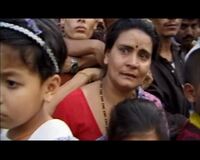
UntitledFilmed over three years during the most historic and pivotal time in Nepal's modern history, The Sari Soldiers is an extraordinary story of six women's courageous efforts to shape Nepal's future in the midst of an escalating civil war against Maoist insurgents, and the King's crackdown on civil liberties. The film intimately delves into the extraordinary journey of these women on all sides of the conflict, through the democratic revolution that reshapes the country's future.
UntitledThe Black Panther Party galvanized millions of African Americans against police repression and brutality, upholding the right of armed self-defense. The government launched a campaign of murder, jailings and disinformation to destroy the BPP. This film documents the Chicago police murder of one of the most charismatic and effective Panther leaders, Illinois Party chapter chairman Fred Hampton.
UntitledIn Jena, a small town in Louisiana, six families are fighting for their sons' lives. Two nooses are left as a warning to black students trying to integrate their playground, fights break out across town, a white man pulls a shotgun on black students, someone burns down most of the school, the District Attorney puts six black students on trial for attempted murder, and the quiet town of Jena becomes the site of the largest civil rights demonstration in the South since the 1960s... The Jena 6 is the story of hidden racial inequality and violence becoming visible.
UntitledMOVE first emerged in Philadelphia (USA) in the early seventies. This documentary traces the most important events in the history of the organisation during the seventies and eighties, when MOVE was at the centre of brutal repression that ended with the majority of its members killed or in jail. Eight of them remain in prison to this day. “The work of MOVE is the revolution. MOVE works to stop industry from poisoning the air, the water, the soil, and put an end to the enslavement of life - people, animals, any form of life... The revolution begins with the individual. It begins when a person commits to doing the right thing. You cannot turn somebody into a revolutionary by making them shout slogans or wield arms. The revolution cannot be imposed on others, it must awaken within each person. Somebody may talk about the revolution, but if they still worship money or take drugs or abuse their partner, they are obviously not committed to doing the right thing. Revolution is not a philosophy, it is an action".
UntitledAn Injury to One provides a glimpse of a particularly volatile moment in early 20th century American labor history: the rise and fall of Butte, Montana. Specifically, it chronicles the mysterious death of Wobbly organizer Frank Little. Butte's history was entirely shaped by its exploitation by the Anaconda Mining Company, which, at the height of WWI, produced ten percent of the world's copper from the town's depths. War profiteering and the company's extreme indifference to the safety of its employees (mortality rates in the mines were higher than in the trenches of Europe) led to Little's arrival. “The agitator” found in the desperate, agonized miners overwhelming support for his ideas, which included the abolishment of the wage system and the establishment of a socialist commonwealth.
Untitled