This video is part of the women's efforts to make their work known and look for ways and means to sell their products. It shows how the women organize themselves as a collective, how they work as weavers and in other collective tasks such as growing vegetables, baking bread and looking after backyard animals in order to strengthen the autonomy of their peoples.

Mexico
112 Archival description results for Mexico
Two promotional anticrisis spots by Mexican TV channel Televisa.
"The Zapatista movement showed us what mirrors and masks are for. Mirrors are for leaving behind the trick mirrors that power had placed in order to deceive or self-deceive, and to offer the naked reality of social situations just as they are. The mask, curiously, is for being seen. Until this movement put masks on the indigenous people, they weren't seen - they were invisible and exploited. When they put masks on, they were seen and they helped reveal that economic, political and cultural power also wore it's own masks". Manuel Vázquez Montalbán
A historical perspective of Mexican indigenous peoples, this work is divided into four periods that take us through Popol Vuh, the Conquest, the colonial period, the tarahumaras, the náhuas from Guerrero and the socioeconomic and health situation in the south of Mexico.
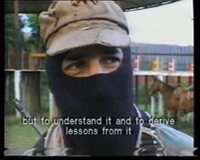
Statement by Subcomandante Marcos in the Lacandona jungle, the role of neo-liberalism and the mass media. Such statements constitute a landmark document in that they were important to confirm the ability of coordination between media and independent platforms of resistance.
UntitledSuper Barrio is an heir to the Mexican popular heroes who defend the rights of the weakest.
Untitled"As poor people we shouldn't work, being poor is already a job, isn't?"
translate
This video captures the rhythm of its subjects, the daily life of a family in rural Mexico. A black and white film of extraordinary beauty, created with the most rudimentary tools. 6th Independent Vídeo & Interactive Phenomena Show
Untitled