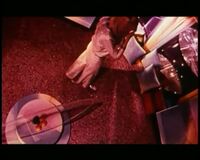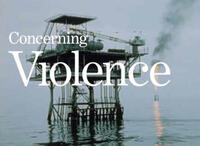
Una película de Göran Hugo Olsson basada en el libro de de Frantz Fanon Los condenados de la tierra Narrada por Lauryn Hill. Prefacio de Gayatri Chakravorty Spivak. Con apariciones de Thomas Sankara, Amílcar Cabral, Tonderai Makoni, Robert Mugabe, el FRELIMO y el MPLA. Concerning violence es un documental compuesto por imágenes de archivo de los momentos más arriesgados en la lucha por la liberación del Tercer Mundo y, a la vez, un análisis de los mecanismos de descolonización a través de fragmentos de Los condenados de la tierra de Frantz Fanon. El emblemático libro de Fanon, escrito hace más de 50 años, sigue siendo un referente para entender el neocolonialismo existente hoy en día y la violencia y las reacciones que suscita. En plena Guerra Fría, varios realizadores radicales suecos decidieron documentar de primera mano los movimientos africanos de liberación antiimperialista. El director Göran Hugo Olsson encontró ese metraje de 16 mm en los archivos de la televisión pública sueca y lo usó para crear una historia visual sobre África con imágenes de la lucha por la libertad, la Guerra Fría y Suecia. Los realizadores suecos, solidarizados con las luchas antiimperialistas y socialistas que tenían lugar alrededor del mundo en aquel momento, crearon imágenes e historias que siguen estando vigentes y que pueden cambiar y enriquecer nuestra visión del mundo globalizado en el que vivimos. La gente grabada por estos realizadores luchó por su libertad y la de otros jugándose la vida. Estas imágenes de archivo inéditas incluyen un ataque nocturno del Movimiento Popular de Liberación de Angola y entrevistas a guerrilleros del Frente de Liberación de Mozambique y a Thomas Sankara, Amílcar Cabral y otros revolucionarios africanos. El material es impresionante: películas claras, nítidas y únicas que transmiten la sensación de apremio y entrega que caracterizó a los movimientos de descolonización. Concerning violence combina imágenes fascinantes de una época decisiva con el mítico texto de Frantz Fanon publicado en 1961. Fanon, un psiquiatra de Martinica que participó activamente en la lucha por la liberación de Argelia, fue uno de los principales intelectuales que apoyaron las luchas contra la colonización surgidas a partir de la Segunda Guerra Mundial. Sus textos fueron fundamentales para la formación del pensamiento africano, que visionarios de las nuevas naciones africanas estaban gestando en esa época convulsa para el continente. Algunos de los cuales aparecen en el material de archivo de la película. La lectura de Los condenados de la tierra sigue siendo una experiencia fascinante y perturbadora a la vez, por la exactitud con la que predijo el mundo actual. El libro explica a la perfección la dinámica destructiva entre los ricos y el tercer mundo (término acuñado en la traducción al inglés). Con una precisión absoluta, Fanon describe un mecanismo abstracto que rige la relación entre el colonizador y el 'nativo', así como entre las empresas extranjeras y la gente que vive de la tierra cuyos recursos naturales dichas empresas quieren explotar —una situación que sigue estando al orden del día. Fanon afirmó que la descolonización debe llevarse a cabo en las dos direcciones: tanto el colonizado como el colonizador precisan ser descolonizados. Como psiquiatra, era consciente de las profundas repercusiones que tendría y de los enormes ajustes que serían necesarios. Supo también que no se produciría sin una tremenda lucha que podía adoptar muchas formas, incluida la que él denominó, no sin polémica, "violencia terapéutica". En un guiño al prefacio que en 1961 Jean-Paul Sartre escribió para Los condenados de la tierra, la película se situada en un contexto histórico y social contemporáneo, ahora gracias a un nuevo prefacio audiovisual, en este caso de Gayatri Chakravorty Spivak, una de la más reconocidas pensadoras y teóricas de la consciencia postcolonial; consciencia que Fanon ayudó a poner en marcha, y que hoy en día ha tomado una deriva de la que él, en su corta vida no pudo ser testigo. Concerning violence es, en esencia, un documental sobre la enrevesada relación entre el África "tercermundista" y Europa (que en la forma moderna de neoimperialismo incluye a Estados Unidos, China y los países del Golfo) y todo el daño e injusticias que está provocando. Es un intento de entender la profunda hipocresía de los valores occidentales sobre los que se asienta el orden mundial actual. El libro ahonda en los efectos de la pobreza y la opresión sobre la mente humana y en los motivos por los que una persona expuesta a la explotación y la violencia acaba estallando en lo que a nosotros, desde la distancia, puede parecernos una reacción irracional. En estos tiempos de globalización, resulta muy interesante examinar la extraordinaria violencia de la colonización, tanto ideológica como física, y comprobar que, en el contexto de ese legado, muchas de las tensiones actuales tuvieron su origen hace tiempo. El estallido de violencia y los conflictos contemporáneos en África y otros lugares fueron, quizá, totalmente predecibles. En la película el texto de Fanon está narrado por Lauryn Hill, una artista respetada y comprometida con las causas sociales capaz de llegar a una nueva generación que vive en un mundo poscolonial.
Sin título