

La Makabra is a squatted factory, usually occupied by around fifty people. It is open to the public, and it works as a self-managed cultural centre in Barcelona's Poble Nou district. This is one of the social and artistic collectives affected by 22@, the urban design plan responsible for restructuring the district, which plans to evacuate the building. In spite of this situation the squatters continue performing shows and cabarets, because that is how they use this space, placing creativity up against consumption.
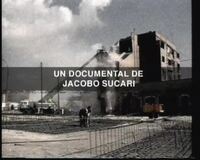
A reflection on the brutal changes to the landscape, and those who inhabit it that are being generated in many European cities through new forms of urban development. In this case, the protagonist is an industrial area full of factories and workshops created during the industrial revolution in the 18th century, which is currently undergoing devastating changes as a consequence of various economic and political interests.
The Law of Silence, a graduation documentary from La Fémis by Moïra Chappedelaine-Vautier, Nadia Zibat, and Raoul Seigneur, explores the 1963 Amnesty Law and its consequences on research conducted about the Algerian War. It features interviews conducted in 2002 with Henri Alleg, director of the Alger Républicain newspaper from 1951 to 1955, and Pierre Vidal-Naquet, historian and essayist. The film also includes striking statements from General Massu and lawyers who dismantle the legal defenses of figures like Jean-Marie Le Pen. Moïra not only gives voice to her father, René Vautier, but also reuses footage he shot forty years earlier. A very compelling documentary that reminds us, among other things, that amnesty is not forgiveness, but the erasure of both the sentence and the crime itself.
- An archives documentary video on his family calcimine workers in Andalusia. Involved with new video material from the artist himself. Leading to new forms and meanings around the notion of the modern subject, solid, perennial, unitary, the artist proposed as the form of an altered identity, exchange, reversed, by its own action and reflection. * Aimar Arriola (text).
The League of the Forgotten Ones recounts the ups and downs of local league soccer teams, clubs and players through the experiences of Smaali Hacine, Freddy Machaca and Yakhya Diarra, among others. An ensemble story packed with humour, adventures and misfortunes, where the media fictions of our society of spectacle are disrupted by the realities of anonymous soccer players and by "the real as a fragment on the horizon of fantasy". More than just playing areas, fields and courts become peripheral enclaves of the (mainly speculative) growth of our cities, and sites of identity and socialisation for migrant citizens. As someone in the film puts it, “Soccer was invented over a hundred years ago as cheap entertainment for workers and, in spite of the minority of millionaires who do the same thing in front of a whole load of TV cameras, it's still basically the same”. On this occasion, the director of Latitude 36 (Paralelo 36) explores a border tale that begins with fiction and sets out to find reality in the non-places of our society, giving shape to the mutations that are taking place in our cities through migration: a series of micro-stories in which the practice of soccer intersects with personal and social realities.
translate