Public security and the imposition of the Mexican armed forces in different parts of Chiapas: Nazareth (San Manuel), La Galeana, La Garrucha...
UntitledIndigena

17 Archival description results for Indigena
Many of the indigenous communities in Chiapas have no access to potable water. Water and Autonomy looks at this serious problem and how the Zapatista communities are solving it. Through solidarity and training from internationals many communities are now building their own water systems. Members of the communities speak about ways the water project fits into their autonomous process, helps fight sickness, has provided a means of reflection for how to protect existing water sources and represents another means of resistance to globalization projects like the Plan Puebla Panama.
UntitledThe CCIODH (International Civil Human Rights Watch Commission) travelled to Oaxaca-Mexico between the 16th of December 2006 and the 20th of January 2007, and interviewed 420 people involved in the conflict. The Commission has recorded 23 deaths since the 16th of May 2006. This video documents the Commission's visit through interviews with prisoners, authorities and activists who have no choice but to go underground.
UntitledFive women's stories are interlaced with scenes of work and the resplendent festivities, music, poetry and paintings of the region. They show how economic independence, community, friendship, cultural pride and respect for "women's work" not only give a woman self-esteem and a sense of purpose in life, but contribute to the well-being of whole society. 6th Independent Vídeo & Interactive Phenomena Show
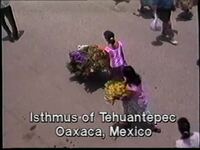
Dances and masks, secret bodies .
UntitledFor more then 500 years indigenous people in Chiapas have been struggling to regain ownership of their lands. Until the Zapatista uprising in 1994, most indigenous people in Chiapas existed by working on large plantations for rich landowners. “The Sacred Land” describes what life was like on these plantations. It includes stories that go back four generations about slavery-like conditions in which people worked for the rancheros. Produced in the autonomous municipality of "November 17th" and edited by indigenous video makers, The Sacred Land helps provide a context for the events of 1994 through unique insight into the past. Community members reflect on how life has changed since 1994 and express their hopes and dreams for their collective future.
UntitledStorm is a beautiful and empowering video documenting the historic three weeks in Mexico from February 24 to March 11. The video follows the Zapatista caravan as it journeyed through 12 Mexican states visiting indigenous communities, eventually arriving in Mexico City to be greeted by over 300,000 people.
UntitledThrough the women, the video shows the struggle to attain a fair price for handmade products so that they can have a dignified life, give their children an education and continue with their resistance.
UntitledThe video discusses the situation in the town of Bolon Aja'aw, located in the north of the state near the famous Agua Azul river system. The federal government sold the land in Bolon Aja'aw to a private company to create an eco-tourism centre without the permission of the community members. This video documents a meeting between Zapatista authorities and Mexican Government functionaries, and offers a critical look at the practical implications of so-called eco-tourism.
La rebelion de las Oaxaqueñas presents a group of women who come together in a social movement in order to change the unfair, oppressive situation in Oaxaca.. The women recount some of their experiences and reflections on being part of this grassroots rebellion. As a result of the popular movement in Oaxaca, thousands of women took to the streets to participate in the marches, the barricades... in the assemblies, on radio and television, in the forums and in all of the projects that the movement created for people's participation.
Untitled