
ES ES-OVNI RSC-2274
·
Item
·
2006
Part de Observatori de Vídeo No Identificat (OVNI)
France
267 Descripció arxivística resultats per al France
267 resultats directament relacionats
Exclou els termes específics
ES ES-OVNI RSC-2444
·
Item
·
1987
Part de Observatori de Vídeo No Identificat (OVNI)
ES ES-OVNI CTX-S014-SS001-0063
·
Item
·
2009
Part de Observatori de Vídeo No Identificat (OVNI)
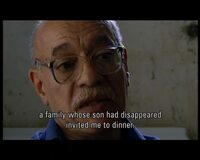
A l'Argentina, entre 1976 i 1983, la dictadura militar va ser responsable de la desaparició de desenes de milers persones. Víctor Basterra va ser un dels pocs presoners que va sobreviure al règim en el camp de concentració de l'ESMA.
Cécile Verstraeten
ES ES-OVNI RSC-3121
·
Item
·
2010
Part de Observatori de Vídeo No Identificat (OVNI)
translate
ES OVNI RSC-1350
·
Item
·
2001
Part de Observatori de Vídeo No Identificat (OVNI)
Un diàleg íntim amb Soha Bechara, excombatent de la Resistència Nacional libanesa, en el seu dormitori de París. L'entrevista va ser gravada durant l'últim any de l'ocupació israeliana, un any després del seu alliberament del centre de tortura i interrogatoris del-Khiam (sud de Líban), on havia romàs detinguda durant 10 anys, sis d'ells en règim d'aïllament. Revisant les nocions de resistència, supervivència i voluntat, la imatge sobreexposada de la supervivent parla en veu baixa i directament a la cambra; no parla de la tortura, sinó de la separació i la pèrdua; del que es deixa enrere i del que roman.
Jayce Salloum
ES ES-OVNI RSC-4192
·
Item
·
2015
Part de Observatori de Vídeo No Identificat (OVNI)
Une Jeunesse Allemande explica la història de la Rote Armee Fraction (o Red Army Faction, un grup terrorista revolucionari alemany de la dècada de 1970, fundat per Andreas Baader i Ulrike Meinhof), així com les imatges generades per aquesta història. La pel·lícula està íntegrament produïda editant arxius visuals i sonors preexistents, i pretén qüestionar als espectadors sobre el significat d'aquest moviment revolucionari en la seva època, així com la seva ressonància en la societat actual. A la dècada de 1960, la jove democràcia d'Alemanya Occidental es va sentir avergonyida pel seu passat nazi i es va encarnar en el seu paper de lloc imperialista i capitalista enfront de la seva veïna comunista. La generació de la postguerra, en conflicte directe amb els seus pares, estava tractant de trobar el seu lloc. El moviment estudiantil va explotar en 1966. El pas de deux entre els estudiants i el govern es va deteriorar i va radicalitzar als involucrats en una progressiva escalada de violència i represàlies. D'aquesta furiosa joventut van sorgir la periodista Ulrike Meinhof, el cineasta Holger Meins, els estudiants Andreas Baader i Gudrun Ensslin, així com l'advocat Horst Mahler. Quan el moviment estudiantil es va esfondrar a la fi de 1968, van romandre aïllats en el seu radicalisme i van buscar desesperadament camins per continuar la lluita revolucionària. La RAF (Fracció de l'Exèrcit Roig) va ser fundada el 1970, els seus militants van desaparèixer en la clandestinitat. Tant el govern com els simpatitzants van ser cautelosos. Els actes inicials de la RAF, juntament amb les respostes de la policia, implicaven una certa d'improvisació. Després va arribar el 1972, la ruptura irreparable: en menys d'una setmana, la RAF va cometre cinc grans atemptats que van provocar moltes víctimes. El govern va reaccionar adoptant una dura postura en el seu conflicte amb el moviment terrorista. Les víctimes van augmentar a tot arreu, incloent-hi la RAF (tant en l'exterior com a la presó), al govern (policies, però també polítics i funcionaris), i especialment els civils anònims. Les veus que qüestionaven les implicacions polítiques i morals de la lluita de la RAF, així com l'elecció del govern federal de repressió total, es van apagar progressivament. La tardor del 77 va marcar el sagnant final d'aquesta història, que també va ser una guerra d'imatges. El govern es va negar a capitular davant les demandes tant de la RAF -que buscava l'alliberament dels seus membres empresonats a canvi de Schleyer, el segrestat president de la Unió Patronal- com la dels comandos palestins que, units a la causa de la RAF, van segrestar un avió de turistes alemanys. Aquella mateixa nit, l'avió va ser assaltat per un comando alemany antiterrorista a l'aeroport de Mogadiscio i els ostatges van ser alliberats; mentre a Alemanya, els últims membres fundadors de la RAF que encara estaven vius "es van suïcidar" a la presó, i Schleyer va ser assassinat pels seus segrestadors.
Jean-Gabriel Périot
ES ES-OVNI CTX-S013-SS003-0001
·
Item
·
2007
Part de Observatori de Vídeo No Identificat (OVNI)
Els urbanistes van decidir enderrocar part del barri vell de Xangai per “regenerar” la ciutat. Cada any, més de cent mil famílies són obligades a abandonar les seves llars i traslladar-se a edificis als afores. Under Construction és un recorregut per aquestes àrees destruïdes de Xangai i mostra com les decisions indiscriminades i brutals repercuteixen en la vida de la gent.
Zhenchen Liu
ES ES-OVNI CTX-S007-SS005-0020
·
Item
·
1996
Part de Observatori de Vídeo No Identificat (OVNI)
Aquest documental revela un entorn de l'art contemporani on el sentit es converteix en un assumpte freturós de tota significació. L'esperit del comerciant, del mecenes de l'art. 6 Mostra de Vídeo & Fenòmens Interactius

ES ES-OVNI CTX-S006-SS003-0011
·
Item
·
1996
Part de Observatori de Vídeo No Identificat (OVNI)
Testimoniatges d'emigrants àrabs a França, el desencantament del "Somni Europeu".
ES OVNI RSC-1346
·
Item
·
2002
Part de Observatori de Vídeo No Identificat (OVNI)