A walk around Iran in its daily life, without filters. The video camera acts as the eyes of the traveler who tries to win over some moments. A tour of 20 minutes around the cities of one of the biggest country in the world.
UntitledEspaña
18 Archival description results for España
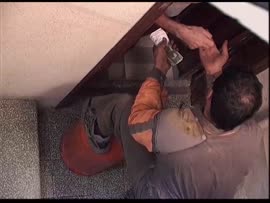
Mohamed Ramzam is a Pakistani who has earned a living delivering gas bottles in the neighbourhood of "El Raval" since arriving in Barcelona in 1990. Despite working these last 12 years Mohamed doesn't receive a salary and lives from day to day on the tips he receives from the customers. He has managed to bring his wife and three children from Pakistan and they live in a warehouse situated in the heart of this working class area where the Muslim ideas and traditions of Pakistan are held dear.
UntitledRadio Qman Txun, crónica de un pueblo maya tells a story between entertainment and reflection, so it allows every watcher whether to do a deep analysis or not, according to their own interest: it can be seen just as a show but it can also make one wonder about the main social, economic and cultural problems of present day: the conflict between tradition and a far reaching globalization, the old social unfair and its links to current immigration, young people and Indian women, the peace process and the new born democracy in Guatemala, the only hope for a change. We just pretend to make questions and let every watcher figure out their own answers.
A glimpse into the life of Barcelona's Pakistanis. They talk to us about their work, the journey that brought them to Barcelona and their families, among other things. We visit some of the places where they tend to congregate: the Rambla del Raval, telephone centers, Barceloneta beach and the three Chimneys.
UntitledAn inside view from the streets of the events that took place over one week in the Palestinian city of Nablus in August 2004. The camera takes us into the world of children who play at being soldiers in an army that has stones and motives as its only weapons. In the midst of Israeli gunshots and bombs, a dialog takes place with soldiers who sometimes seem more frightened than their own victims. The camera, with a group of international activists and paramedics, follows the soldiers as they search the city house by house. The international presence also acts as an "occupier-witness" of the zone of impunity in which Israel regularly acts.
UntitledThe markets of Fez, accessible from the main streets of the medina, are mostly situated very near the entrances to the city and reflect the vitality of an economic microsystem associated with the basic needs of the medina and its immediate rural surroundings.
Fez is one of the North African cities to have had most madrassas, of great architectural beauty. Madrassas, former Koran schools and now open for visits as public monuments, formerly provided one of the functions that raised Fez to the height of its splendour: the study of Islamic tradition and the body of laws and regulations governing social life. They were also the home of the students. Madrassas: Bu Inaniyya (1350), al-Attarin (1323), Seffarin (1280), al-Sahri (1321).
"As poor people we shouldn't work, being poor is already a job, isn't?"
Fez is the Moroccan city with the liveliest tradition of artisans. Far from being "just a job", the activity of the artisan reflects a whole conception of the world and a way of experiencing time and giving it meaning. This native wisdom is passed down from parents to children, from the maalem, the master, to the apprentice.
Anonymous guide. Fes el Bali, the old medina of Fez founded in 809 by Idris II, is still completely contained within city walls. The gates (Bab Bou Jeloud, Bab Fteuh, Bab Er Rsif, Bab Guissa...) therefore retain all their social and symbolic value, associated with the different activities of the city and its inhabitants.