"A Tornallom" is a documentary about the struggle to defend de irrigated area used for cultivation known as La Huerta de Valencia. It shows us images and testimonies of the events that occurred between September 2002 and March 2003, when more than 200 residents of La Punta (in the Huerta area) were evicted from their houses. The villages were demolished and the fields bulldozed to make room for the ZAL (logistics activities zone) of the Port of Valencia, which is planned to take up around 600,000 square meters, most of the area of La Huerta. “A Tornallom", is what the agricultural workers of La Huerta call the way they swap work amongst themselves. For heavy agricultural tasks workers usually help each other, pooling their efforts to do the work on one person's field and going on to another the next day until all the work is done.
UntitledEl Sueño Colonial - ovni 2006
19 Archival description results for El Sueño Colonial - ovni 2006
In July 2005, the comic Leo Bassi took his Bassibus services to the city of Barcelona. In this political-tourism trip we came up close to the very heart of speculation and real estate violence, and met some of its main protagonists. Step right in and see... This tour has been possible thanks to the participation of people and groups who have been fighting for years to defend the territory and the dignity and rights of the people who live in it.
An old building in Barcelona's historic Barrio Chino is the setting for this documentary. Real estate “mobbing” and the urban rehabilitation of the old city are the narrative thread, the economic machines that drive real estate speculation. They take over the neighbourhood, burying its history and memory.
UntitledTraces of the past and neglect gradually merge into spaces that leave new traces, ones that represent time regained and the search for meaning through communal life and the land as a bridge for human relationships. In December 2001, after 50 years of neglect, squatters move in to the ancient Masía of Can Masdeu and restore it as a home and rural-urban or “Rurban” social centre. The daily life of its 24 squatters unfolds in parallel to that of their neighbours, as they share the cultivation of the land and the defence of one of the last non-urbanized valleys on the slopes of Barcelona's Collserola Park.
Traces of the past and neglect gradually merge into spaces that leave new traces, ones that represent time regained and the search for meaning through communal life and the land as a bridge for human relationships. In December 2001, after 50 years of neglect, squatters move in to the ancient Masía of Can Masdeu and restore it as a home and rural-urban or “Rurban” social centre. The daily life of its 24 squatters unfolds in parallel to that of their neighbours, as they share the cultivation of the land and the defence of one of the last non-urbanized valleys on the slopes of Barcelona’s Collserola Park.
Ceuta, which has always been governed by the right, is the door to Europe for thousands of sub-Saharan migrants. This was the first demonstration supporting migrants in Ceuta, one of the North African enclaves in Spain, organized by many different European organizations and individuals after the murder by shooting of more than 14 black Africans as they tried to cross the border fence.
"Stranger is the one that is always asked: ”Where are you from, brother?” or is asked ”Is it hot in your country?” He doesn't care about details concerning the people in the country he is or about their domestic politics'. But he's the first one to suffer its consequences. He may not be happy when they are happy but he's always afraid when they are afraid". Mourid Barghouti
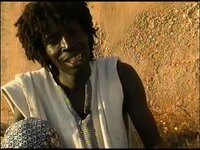
UntitledUnder the guise of a traditional African oral tale, a storyteller from Senegal tells us a story that is not a legend or traditional fairy tale, but his own life.
UntitledA succession of mysteries are repeatedly ordered and observed. A ritual for creating meaning. Dreaming, a daily exercise in the free interpretation of reality.
UntitledIn Benyounes forest, “la foret” as they called their habitants, was the last stage of a long trip for thousands of people coming from Sub-Saharan Africa. Close to the fence that divides Ceuta (Spain) from Morocco, they establish in a variable time, before flank the last obstacle in they way to Europe, looking for a better life. Sometimes running away from wars, politics persecutions, hunger or a precarious economy situation. Lots of times of all of this. In years, the migrants pass across this forest and after some weeks or months they manage to arrive to Ceuta. In finals of 2004, European union start agreements of subcontract Morocco in the control of the Spanish – Moroccan border. The habitants of the forest, started to feel the effects of this agreements: the increase of illegal devolutions, the abuses from the civil police, they install police controls near the forest, they forbid the access to current water, military attacks to the camps in with they made mass arrests and rapes as a war weapon. The border it's close. Systematic violation of human rights, financed with the tax of the democratic European Union citizens. The migrants organize themselves in spaces like this and construct spaces; support nets in Moroccan territory, confronting and resisting this way the European politics. In the forest of Benyounes, they organized themselves from origin communities. In February of 2005, decided between all the community's, record this video, to made visible their situation, in with they report the systematic violation of their human rights, the absolutely abandonment from the NGO's, Associations an Human Rights Institutions, an they demand their citizens condition and they require their rights as human beings.

Untitled