
"Aquí, el cap del llogaret, Sikali Wattara, va ser ofegat i va rebre un tir en el clatell per una bala francesa... Aquí, una nena de set mesos va ser assassinada, el seu crani rebentat per una bala francesa... Aquí, sang en la paret, una dona embarassada vi a morir, dues bales franceses en el seu ventre... En aquest sòl africà, quatre cadàvers, tres homes i una dona assassinats en nom de nosaltres, el poble de França!". Aquestes van ser les paraules de René Vautier en les seves primeres imatges com a cineasta, rodades clandestinament en 1949 a través de l'Àfrica colonial i salvades in extremis de la censura. Prohibida durant 40 anys, la pel·lícula va ser rehabilitada en 1990 pel Ministeri d'Afers exteriors, que la va projectar en les ambaixades d'Àfrica per a demostrar que el sentiment anticolonial francès existia realment a principis dels anys 50...
Colonialismo Corporativo
16 Descripció arxivística resultats per al Colonialismo Corporativo
16 resultats directament relacionats
Exclou els termes específics
ES ES-OVNI RSC-4338
·
Item
·
1950
Part de Observatori de Vídeo No Identificat (OVNI)
ES ES-OVNI RSC-4340
·
Item
·
1958
Part de Observatori de Vídeo No Identificat (OVNI)
En les albors de la lluita per la independència d'Algèria, René Vautier va produir una pel·lícula sobre la conquesta francesa d'Algèria en 1830. Va ser durament criticada pel Ministeri d'Afers exteriors francès, que considerava aquesta predicció d'una rebel·lió algeriana contra l'opressor estranger com un perill per a la seguretat nacional. En resposta a aquesta acusació, en 1957 René Vautier es va passar al "altre bàndol" i va rodar una pel·lícula, càmera en mà, sobre i amb el moviment de resistència algerià. René Vautier volia mostrar el que veia i contrarestar la versió de la propaganda colonial francesa. Per descomptat, els francesos li buscaven pel que es considerava traïció. No obstant això, des d'Alemanya Oriental es van imprimir 800 còpies de la pel·lícula en 17 idiomes i es van distribuir per tot el món (excepte a França, on va haver d'esperar a una projecció en la Sorbona ocupada al maig del 68). Però no tots els independentistes algerians estaven a favor que la seva revolució fos filmada per un francès, sobretot perquè el contacte de René Vautier havia estat assassinat. Atrapat en els meandres de les lluites de poder revolucionàries, i sense que se li expliqués el motiu, el cineasta va ser detingut en una presó per decisió del Govern Provisional de la República Algeriana (GPRA) juntament amb altres algerians mentre l'FLN projectava la pel·lícula... Vint-i-cinc mesos en una presó de Denden, a l'oest de Tunísia. Després de la declaració d'independència, René Vautier fongui el primer Centre Audiovisual Algerià i dirigeix la primera pel·lícula independent d'Algèria: Le peuple en marxi. René Vautier va resultar ferit tres vegades durant el rodatge. Va rebre foc directe de l'exèrcit francès, dirigit deliberadament contra la seva cambra. Un tros de metralla es va allotjar en la (dura) cap del cineasta bretó. Portaria aquest record amb si tota la seva vida, la qual cosa li convertiria probablement en l'únic cineasta amb un tros de càmera al cap.

ES ES-OVNI CTX-S012-SS007-0105
·
Item
·
2006
Part de Observatori de Vídeo No Identificat (OVNI)
Pel·lícula document que analitza les bases del nou colonialisme sobre Àfrica. Crítica mordaç envers les polítiques de desnonament i exclusió del Banc Mundial. La història transcorre en un barri de Bamako, on se celebra un judici sumaríssim en el qual participen diferents persones.
Adberrahmane Sissako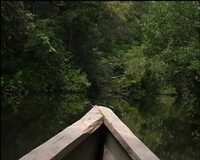
ES ES-OVNI CTX-S013-SS007-0092
·
Item
·
2005
Part de Observatori de Vídeo No Identificat (OVNI)
En l'agressiva recerca de l' ”or negre” que mou les economies occidentals, les corporacions multinacionals estan treballant per a extreure bilions de dòlars en reserves de petroli sota els boscos de l'Equador. Entre la mitjanit i el cant del gall investiga les operacions de la corporació Encana, una tapadora que, a pesar de les orgulloses declaracions de la seva responsabilitat social, està estenent la contaminació ambiental i violant els drets humans.
Nadja Drost
ES ES-OVNI CTX-S012-SS007-0084
·
Item
·
2006
Part de Observatori de Vídeo No Identificat (OVNI)
El jove indi Vikeeh Uppal treballa de teleoperador en un centre d'atenció al client a Calcuta dedicat a la venda de telèfons mòbils i extintors a Amèrica i al Regne Unit. Vikeeh viu amb la seva família panjabi de valors tradicionalistes i mai no ha sortit de Calcuta. Els britànics amb els que parla per telèfon, les pel·lícules de Hollywood i els partits del Manchester United li donen una idea del món globalitzat.
André Hoermann
ES ES-OVNI CTX-S011-SS006-0035
·
Item
·
1955
Part de Observatori de Vídeo No Identificat (OVNI)
Planta embotelladora de Coca-Cola i l'anunci publicitari de la mateixa beguda pels països àrabs.
Prelinger Archives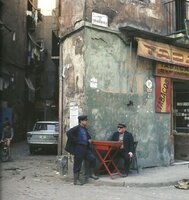
ES ES-OVNI DIF-S016
·
Series
·
2023
Part de Observatori de Vídeo No Identificat (OVNI)
Constel·lacions de l'Observatori de Vídeo No Identificat
L'Observatori de Vídeo No Identificat és una potent eina per a la incursió entre els «oasis» que resisteixen a l'extensió del desert. Incursió en el sentit d'exploració i viatge, alhora físic i iniciàtic, obertura a l'encontre amb l'inaudit que mai deixa igual.
«Tornar a obrir el camp de l'experimentació»
ES ES-OVNI RSC-4337
·
Item
·
2012
Part de Observatori de Vídeo No Identificat (OVNI)
En 2012, amb motiu del cinquantenari de la independència d'Algèria i de la reestrena als cinemes de la versió restaurada de la pel·lícula "Avoir 20 ans dans els Aurès", René Vautier repassa la seva trajectòria com a cineasta implicat en les lluites anticolonials.
Moïra Chappedelaine-Vautier
ES ES-OVNI CTX-S016
·
Series
·
2014
Part de Observatori de Vídeo No Identificat (OVNI)
caure i volar / OVNI 2014
/ CONTEXT 1994 - 2020
caure i volar / OVNI 2014
Limbo (Del Llat. Limbus ): ~ el món entre els vius i els morts, ~ espai d'emmagatzematge on s'envien els arxius esborrats ~ un conte d'Aldous Huxley.
La pressió contra els drets i les llibertats socials és enorme, constant i ben articulada, recolzada per un aparell mediàtic que ocupa el llenguatge i ens roba les paraules. En paral•lel, la natura segueix sent un lloc des del qual extreure combustible per a la màquina del progrés d'uns pocs.
Les fronteres depassen els límits i s'infiltren a les ciutats com a laboratori d'una nova societat totalitària.
Fall & Winter, Cómo robar la vida a un ser ser humano, Terrorismo de Autor, Barcelona Morta, Deleuze à Vincennes, Marinaleda, IphoneChina, Detroit zona autónoma, Barcelona panÀfrica, Agustín García Calvo en Sol, Homeland Security.
Centre de Cultura Contemporània de Barcelona
Montalegre 5. 08001 Barcelona
Imatge: Pour Auguste (2010). Chantal Michel
ES ES-OVNI RSC-4343
·
Item
·
1969
Part de Observatori de Vídeo No Identificat (OVNI)
A principis dels anys 60, a Salisbury (actual Harare), a Rhodèsia del Sud (actual Zimbàbue), el govern de Ian Smith va penjar a tres revolucionaris negres que havien estat indultats per la reina d'Anglaterra. René Vautier, juntament amb el ZAPU (Partit Africà de Zimbàbue per la Unitat), va denunciar l'assassinat. Expulsat per la policia de Rhodèsia (que havia rebut informació dels serveis secrets francesos), el cineasta se'n va anar a Algèria per a rodar una pel·lícula en forma d'al·legat contra el salvatgisme colonial. La pel·lícula va ser inicialment prohibida a França, però va ser autoritzada en 1970, sembla que a Anglaterra mai es va autoritzar. Un poema escrit per René Vautier (sota el pseudònim algerià de Férid Dendeni), llegit pel futur cineasta senegalès Djibril Diop Mambéty, quadres del pintor sud-africà Gerard Sekoto, una banda sonora donada per membres dels Panteres Negres exiliats a Alger (una marxa fúnebre lenta composta per a acompanyar el funeral d'un negre assassinat durant la lluita pels drets civils als Estats Units), màscares i estatuetes de l'art negre. Impedit de realitzar la seva habitual pel·lícula d'acció directa, Vautier va improvisar un magnífic poema fílmic.